


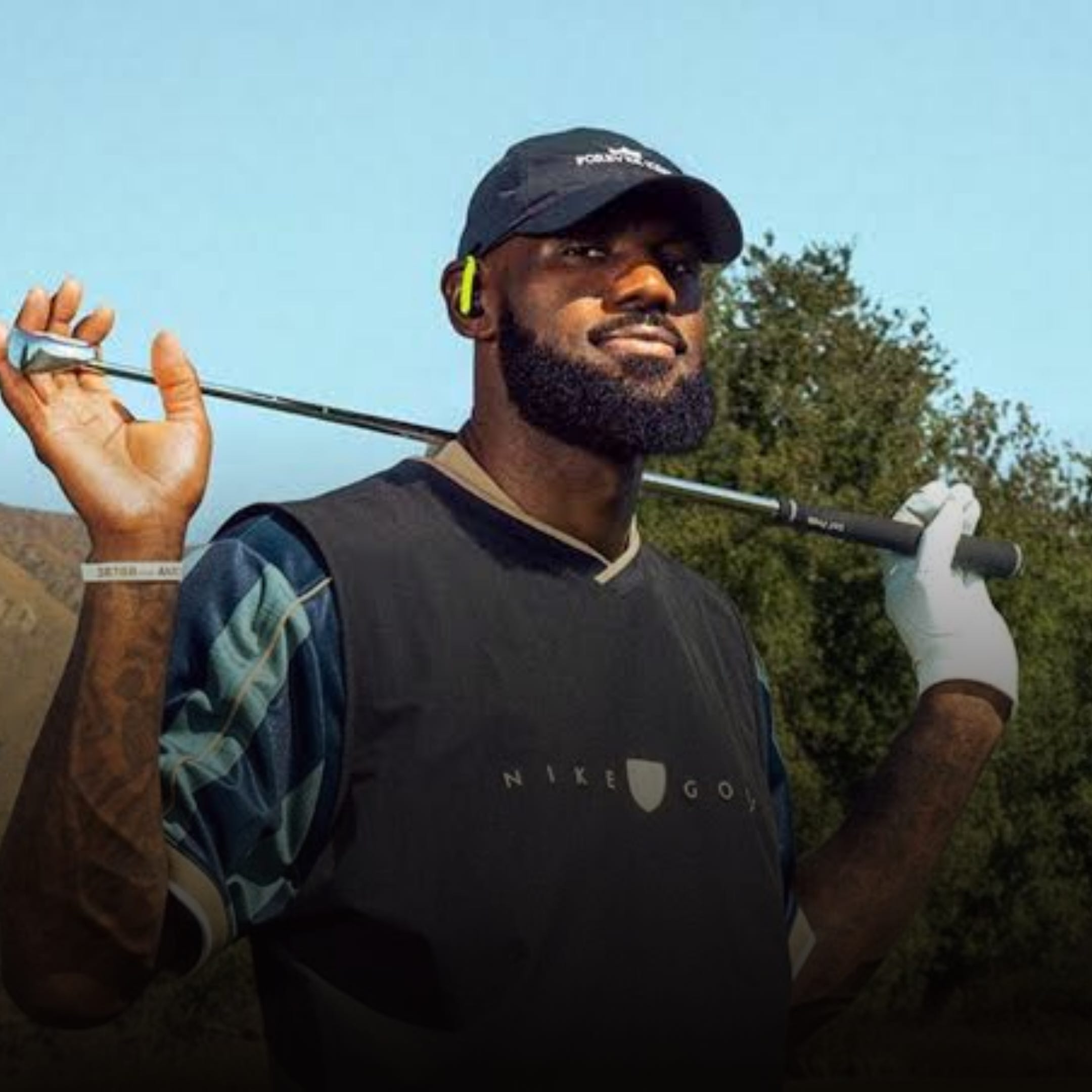
On Aug. 15, LeBron James posted a 96-minute video of himself playing golf in Scotland with five former Cleveland Cavaliers teammates. It amassed more than 2 million views in four days and took a channel dormant since 2010 from 121,000 subscribers to more than 500,000.
Four days earlier, a verified Instagram account called Team LeBron started posting clips linking back to the channel. It calls itself the official home of his content.
We’re watching LeBron James build like a creator. Long-form content as source material. Dedicated social channels for distribution. Clips engineered to travel through the interest graph.
Obviously, the LeBron James doesn’t need YouTube to become famous, land endorsements, or secure a television deal. He already has all three. If he wants to build entertainment around himself, the obvious route is Hollywood. He has the name, relationships, production experience, and access to buyers that creators spend years trying to earn.
So why, 23 years into one of the most commercially successful careers in sports history, is he adopting the same playbook everyday creators use to build themselves from scratch?
Some might argue it’s a hobby. Others might argue it’s a way to generate income post-retirement. My read: Team LeBron is an attempt to build a company whose businesses grow out of his content. A golf video can become a recurring series that develops enough demand to support a tournament of its own. As those properties grow, LeBron would own the company producing the content and the businesses that emerge from it.
I know that feels like a mouthful, but walk with me here.
LeBron doesn't need Hollywood because Hollywood needs him to sell someone else's IP. Building it himself means he owns the audience, the content, and whatever business grows out of it. That's the exact shift every athlete needs to make - stop renting your name to other people's platforms and start owning the platform.